80%
Of women notice a clear change in discharge around ovulation
1–5 days
Before ovulation when egg-white mucus typically appears
5×
Longer sperm survive in fertile mucus vs other discharge types
In this article
- What cervical mucus actually is
- Discharge through your entire cycle — the full chart
- Egg-white cervical mucus (EWCM) in detail
- Why EWCM matters for fertility — sperm survival bars
- How to check your cervical mucus correctly
- Normal ovulation discharge vs something concerning
- What if you never see EWCM?
- Discharge that needs a doctor
- Frequently asked questions
Cervical mucus is one of the most reliable — and most underused — fertility signals available to you. Unlike basal body temperature, it predicts ovulation rather than just confirming it. Unlike LH test strips, it costs nothing. Once you learn to read it, your discharge tells you exactly where you are in your cycle every single day.
What Cervical Mucus Actually Is
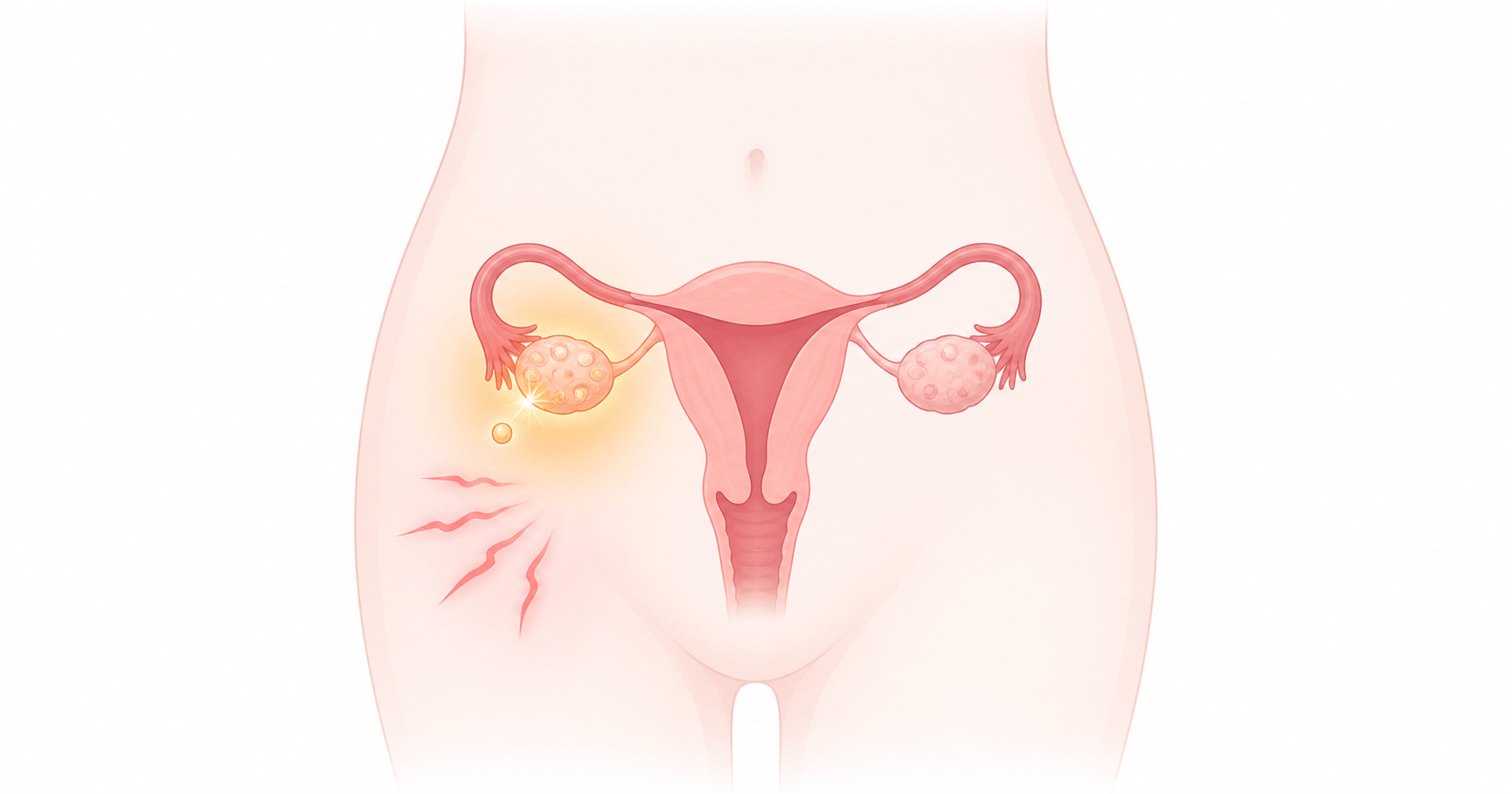
Cervical mucus is a fluid produced by glands in the cervix (the neck of the uterus). Its consistency, colour, and volume are directly controlled by your hormone levels — specifically estrogen and progesterone — and they change predictably across every menstrual cycle.
The primary biological purpose of fertile-quality mucus is to help sperm survive and travel to the egg. Without the right mucus, sperm die within hours. With it, they can survive for up to 5 days. This is why the type of discharge you produce is not just a curiosity — it is a functional part of the conception process.
The Billings Method: The Billings Ovulation Method — a scientifically validated natural family planning approach — is based entirely on cervical mucus observation. Studies have shown it to be up to 99.5% effective when used correctly, demonstrating just how reliable mucus-based fertility awareness can be.
Discharge Through Your Entire Cycle — The Full Chart
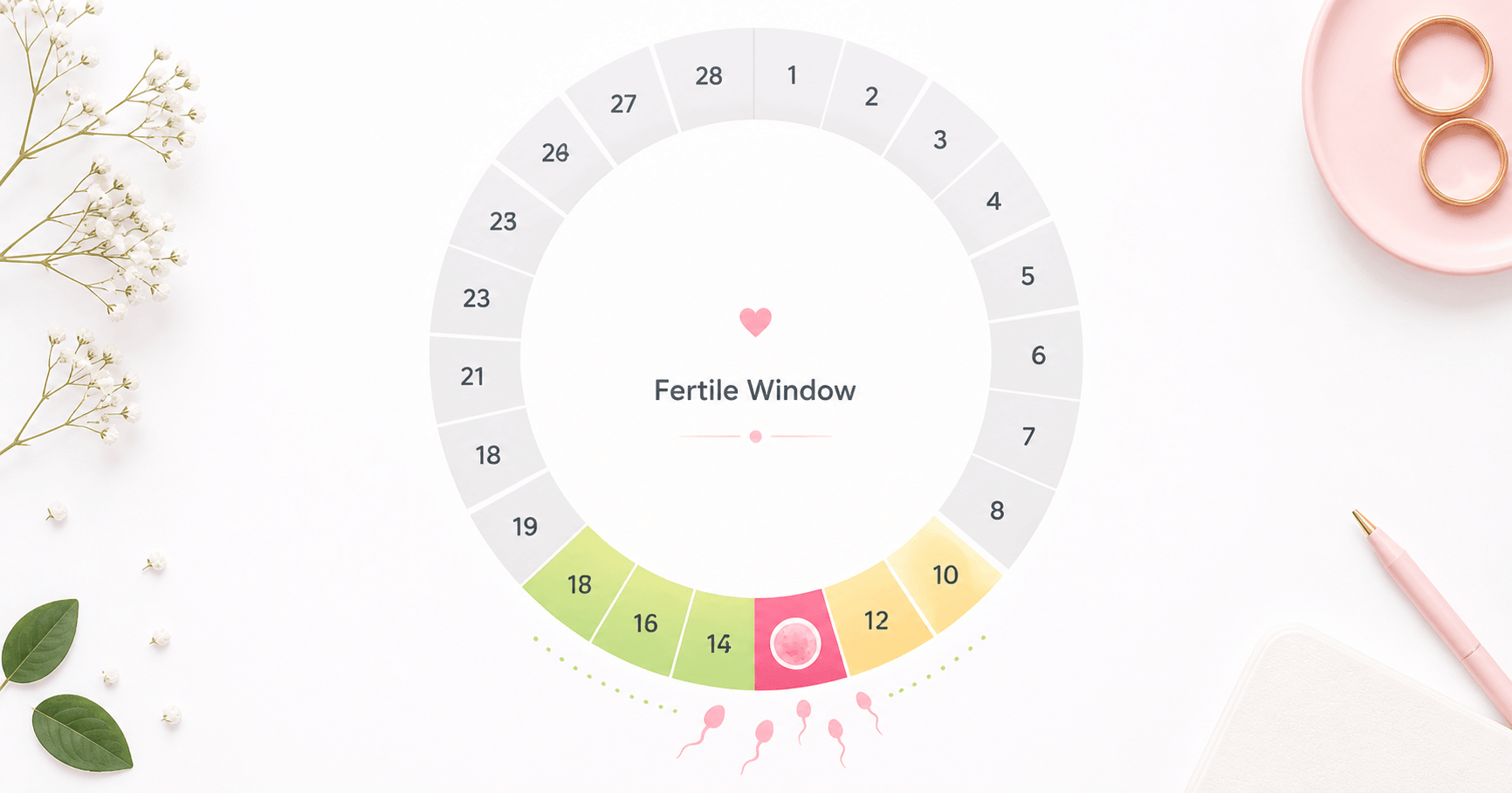
Here is what to expect at each stage of a typical 28-day cycle. The pattern repeats every cycle, though exact timing shifts based on your cycle length.
Cervical mucus progression — day by day through your cycle
Menstruation
Days 1–5 (approx.)
Menstrual blood
Period blood masks any cervical mucus. Discharge appears red to dark brown, transitioning from heavy to light as the period ends. Cervical mucus is present but not observable.
Fertility
~5%
Dry / Nothing
Days 6–8 (approx.)
Dry, nothing
Low estrogen means the cervix produces very little mucus. The vaginal area feels dry. Underwear is clean and dry. This is the safest time in the cycle from a fertility standpoint — intercourse carries very low pregnancy risk.
Fertility
~3%
Sticky / Pasty
Days 8–10 (approx.)
Sticky, pasty
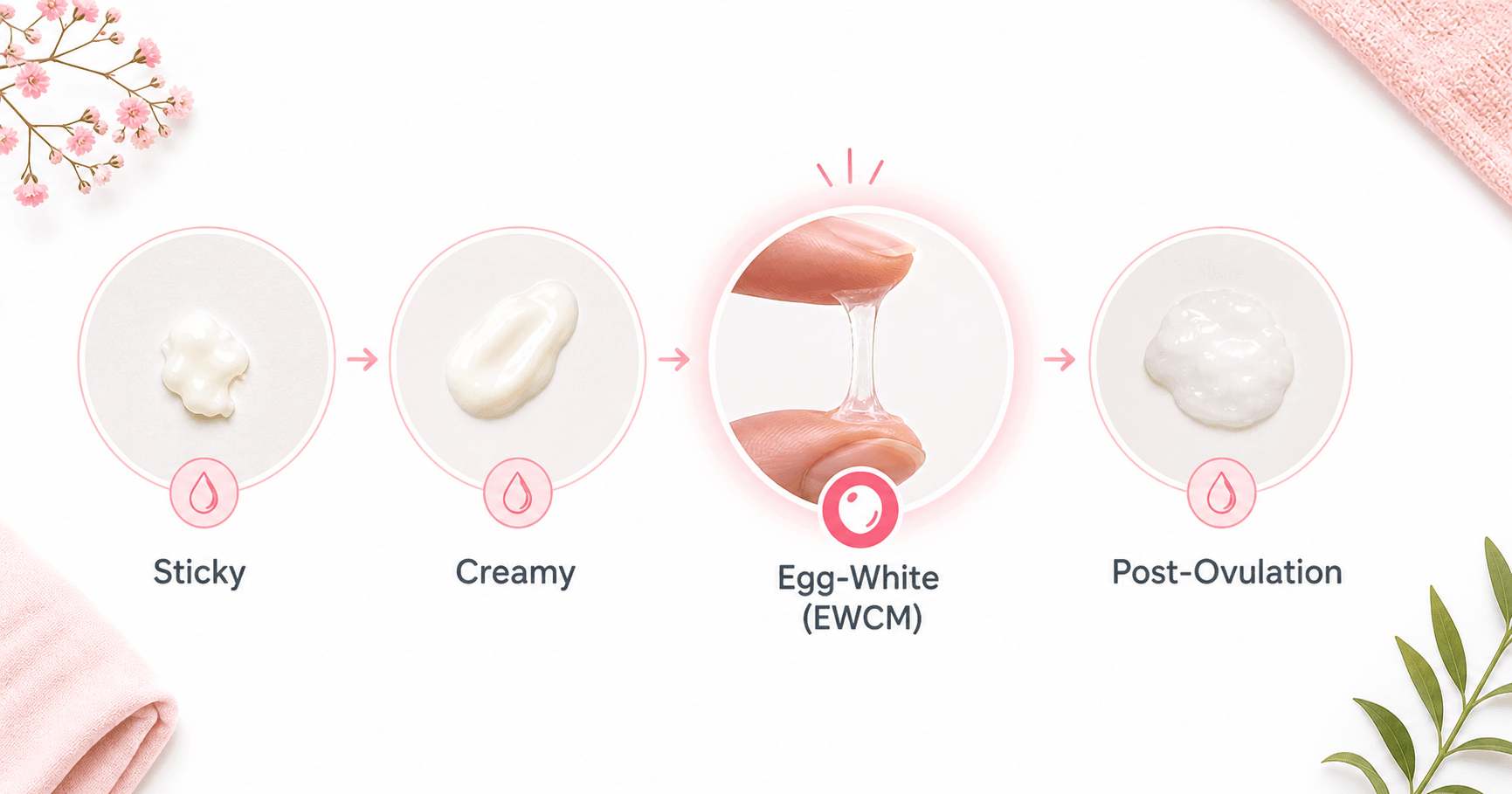
Estrogen begins rising. Mucus appears white or yellowish, thick and crumbly, like paste or rubber cement. It does not stretch when you try to pull it apart. Still largely infertile — sperm struggle to survive in this environment.
Fertility
~12%
Creamy / Lotion-like
Days 10–12 (approx.)
Creamy, white
Estrogen rising further. Mucus is white or cream-coloured, smooth, and lotiony — like hand cream or yogurt. It may stretch slightly but breaks easily. This is approaching fertile territory — sperm can survive a day or two in this mucus. Some women notice this as a "wet" feeling inside.
Fertility
~38%
Egg-White (EWCM)
Days 12–14 — PEAK FERTILE
Clear, stretchy — most fertile
Estrogen peaks. Mucus is clear, slippery, and stretchy — it looks and feels exactly like raw egg white and stretches 3–5 cm between your fingers without snapping. Volume increases noticeably. The vagina feels very wet and lubricative. This is your peak fertile discharge.
Stretches 3–5 cm
Fertility
~95%
Post-Ovulation (Luteal)
Days 15–28 (approx.)
Thick, cloudy — infertile
Progesterone takes over after ovulation and causes the cervix to produce a thick, cloudy, tacky mucus plug that blocks sperm entry. Discharge quickly returns to sticky or creamy consistency within 1–3 days of ovulation, and many women experience a dry spell in the second half of their cycle. This signals the fertile window has closed.
Fertility
~8%
Egg-White Cervical Mucus (EWCM) — Everything You Need to Know
EWCM is the star of the show. Understanding exactly what it looks, feels, and behaves like means you'll never second-guess whether you're actually seeing it.
What it looks like
Crystal clear to slightly cloudy, transparent or translucent. When you hold it up to the light it looks like raw egg white — gelatinous, sometimes with a slight sheen. Quantity ranges from a pea-sized amount to visibly wet underwear.
What it feels like
Very slippery and lubricative — like a natural lube. You'll notice a "slippery" or "wet" sensation at the vaginal opening that is distinct from the dampness of other discharge types. Many women describe it as noticeably different from their non-fertile discharge.
The stretch test
Collect a small amount between your index finger and thumb. Slowly pull your fingers apart. Fertile EWCM stretches 3–5 cm before breaking. Non-fertile mucus breaks at under 1 cm. A clean, unbroken stretch to 3+ cm = peak fertile quality.
How long it lasts
Most women experience EWCM for 1–5 days per cycle. The last day of EWCM — called the "peak day" in the Billings Method — is typically the day of or day before ovulation and is your single most fertile day of the cycle.
Why it exists
EWCM is produced by the cervix in response to the estrogen surge before ovulation. Its structure creates channels that guide sperm through the cervix and into the uterus, and its composition includes nutrients that fuel sperm for their journey to the egg.
What can reduce it
Hormonal contraception, antihistamines, decongestants, clomiphene (Clomid), certain antidepressants, low estrogen (perimenopause, hypothalamic amenorrhea), and dehydration can all reduce EWCM production. If you take any of these, you may produce less visible fertile mucus.
Why EWCM Matters for Fertility — Sperm Survival by Mucus Type
The biological reason EWCM matters so much is what it does for sperm. The type of mucus present when sperm enter the reproductive tract determines how long those sperm can survive — and therefore whether they'll still be alive when the egg arrives.
How to Check Your Cervical Mucus Correctly
Checking mucus accurately takes a small amount of practice and consistency. Follow this method for reliable observations.
1
Wash your hands thoroughly
Always start with clean hands to avoid introducing bacteria or confusing discharge samples. Use unscented soap — scented products can alter vaginal pH and obscure mucus observations over time.
2
Choose your collection method
There are three equally valid methods: (1) Wipe the vaginal opening with clean white toilet paper before urinating and observe what's on the paper. (2) Insert two clean fingers just inside the vaginal opening and collect a sample. (3) Check your underwear at the end of the day for the dried mucus pattern. Start with the wipe method — it's the easiest for beginners.
3
Do the stretch test
Place the sample between your index finger and thumb. Slowly pull them apart. Note: does it break immediately (sticky/not fertile), stretch a little (creamy/approaching fertile), or stretch 3+ cm cleanly (EWCM/peak fertile)? The stretch distance is your primary quality indicator.
4
Observe colour and texture
Note the colour (clear, white, cream, yellow, brown), texture (watery, creamy, stretchy, sticky, pasty), and approximate volume (none, a little, moderate, a lot). Take 30 seconds to observe before checking whether it's on toilet paper or fingers.
5
Check at the same time each day
Check mucus at a consistent time — mid-morning after your first bathroom visit tends to give the most representative sample, since arousal fluid and any semen from the night before have cleared. Log it immediately in your cycle app so the pattern becomes visible over 2–3 cycles.
6
Distinguish mucus from other fluids
Cervical mucus differs from arousal fluid (watery, produced only when sexually stimulated), semen residue (watery, disappears within hours), and vaginal discharge from infection (off-colour, strong odour, irritation). If in doubt, compare your morning observation (before arousal) with an observation later in the day.
Normal Ovulation Discharge vs Something Concerning
Cervical mucus has a wide range of normal variation. The table below helps you distinguish expected changes from signs that warrant medical attention.
Feature
Normal
See a doctor
Colour
Clear, white, cream, light yellow (when dry on underwear)
Green, grey, dark yellow, or grey-white cottage-cheese texture
Odour
Mild, slightly musky — barely noticeable
Strong fishy smell, sour odour, or any noticeably unpleasant smell
Texture at ovulation
Clear, slippery, stretchy — raw egg-white consistency
Thick, curd-like, or foamy at any point in the cycle
Volume
Increases noticeably around ovulation; varies person to person
Sudden large increase with unusual colour or odour
Itching / burning
None — discharge itself should not cause irritation
Any itching, burning, redness, or swelling alongside discharge
Blood in discharge
Tiny trace of pink or brown at ovulation (ovulation spotting) — harmless
Heavy bleeding mid-cycle, after sex, or post-menopause
What If You Never See Egg-White Discharge?
Not seeing obvious EWCM is one of the most common concerns women raise when learning to track their cycles. Here is what it may mean:
- You are still ovulating, just producing less visible mucus. Some women never see abundant egg-white mucus — they ovulate normally but produce smaller quantities. A feeling of vaginal lubrication without obvious stretchy mucus is still a fertile sign.
- You are checking at the wrong time. EWCM can last just 1–2 days. If you're checking once a day or not checking before your first urination, you may miss it. Increase check frequency to 2–3 times per day during your expected fertile window.
- A medication is suppressing it. Antihistamines, decongestants, clomiphene, and certain SSRIs are known to reduce EWCM production. If you are on any of these and trying to conceive, discuss EWCM supplements (such as guaifenesin) with your doctor.
- Low estrogen. Women approaching perimenopause, those with hypothalamic amenorrhea, or those with low body weight may produce insufficient estrogen to trigger EWCM. LH strips are especially important in these cases.
Tip: If you rarely see EWCM, try guaifenesin (the active ingredient in plain Mucinex, not the formulations with decongestants) — 200mg twice daily from cycle day 8. It thins all body mucus secretions including cervical mucus. Many women report significantly more fertile-quality discharge within 1–2 cycles of use. Always check with your doctor first.
Discharge That Needs a Doctor
Most discharge is entirely normal. These signs, however, indicate a possible infection or other condition that requires evaluation.
Strong fishy or sour odour
A fishy smell — especially after sex — is the hallmark of bacterial vaginosis (BV), the most common vaginal infection. It is not a STI but does require antibiotic treatment.
Thick white, curd-like discharge
Cottage-cheese texture, accompanied by intense itching and redness, is the classic presentation of a yeast (candida) infection — treatable with antifungal medication.
Yellow-green or grey discharge
Yellow-green discharge with an unpleasant odour can indicate trichomoniasis or gonorrhoea — both STIs that require specific antibiotic treatment. Do not self-treat.
Itching, burning, or soreness
Any discharge accompanied by vaginal itching, burning sensation, or visible redness is abnormal regardless of colour. This combination warrants a same-week GP visit for swabs.
Mid-cycle heavy bleeding
Light pink spotting at ovulation is normal. Heavier bleeding that requires a pad, or bleeding that occurs after sex, needs investigation — possible cervical changes, polyps, or hormonal issues.
Post-menopausal discharge
Any vaginal discharge or bleeding after menopause is not normal and should always be evaluated promptly to rule out endometrial or cervical conditions.
Frequently Asked Questions
What does ovulation discharge look like?
Ovulation discharge — egg-white cervical mucus (EWCM) — is clear, stretchy, and slippery, resembling raw egg white. It stretches 3–5 cm between your fingers without breaking, feels lubricative at the vaginal opening, and increases in volume compared to your non-fertile discharge. It is your most fertile type of discharge and typically appears 1–5 days before ovulation.
How many days before ovulation does discharge change?
Most women first notice fertile-quality discharge 1–5 days before ovulation. The peak (most abundant and stretchy) usually occurs 1–2 days before or on ovulation day itself. Discharge transitions from sticky/creamy to egg-white over roughly 2–4 days as estrogen rises.
Is it normal to have a lot of discharge around ovulation?
Yes — increased discharge volume around ovulation is completely normal and is a direct result of the estrogen peak driving higher cervical mucus production. Some women produce enough to notice wetness in their underwear; others only see a small amount when wiping. Both are within the normal range.
What does discharge look like after ovulation?
After ovulation, progesterone causes the cervix to produce thick, cloudy, sticky mucus that blocks sperm entry — a return to non-fertile consistency within 1–3 days. Many women experience a dry spell in the second half of their cycle. This abrupt return to sticky or dry is a reliable signal that the fertile window has closed.
Can I get pregnant if I don't see egg-white discharge?
Yes — some women ovulate normally but produce less visible EWCM. A feeling of vaginal lubrication without obvious stretchy mucus is still a fertile sign. Pair mucus observation with LH test strips for a more complete picture of your fertile window, especially if you rarely see obvious EWCM.
Can ovulation discharge be white and milky?
Slightly milky white discharge can be creamy mucus — the pre-fertile phase that precedes EWCM. True peak-fertile EWCM is clear to translucent. If your most fertile-appearing discharge is white and creamy, you may be catching the early part of your fertile window. Continue monitoring — the clearer, stretchier mucus typically follows within 1–3 days.
Sources & Further Reading
The guidance in this article is informed by reputable medical and public-health organizations: