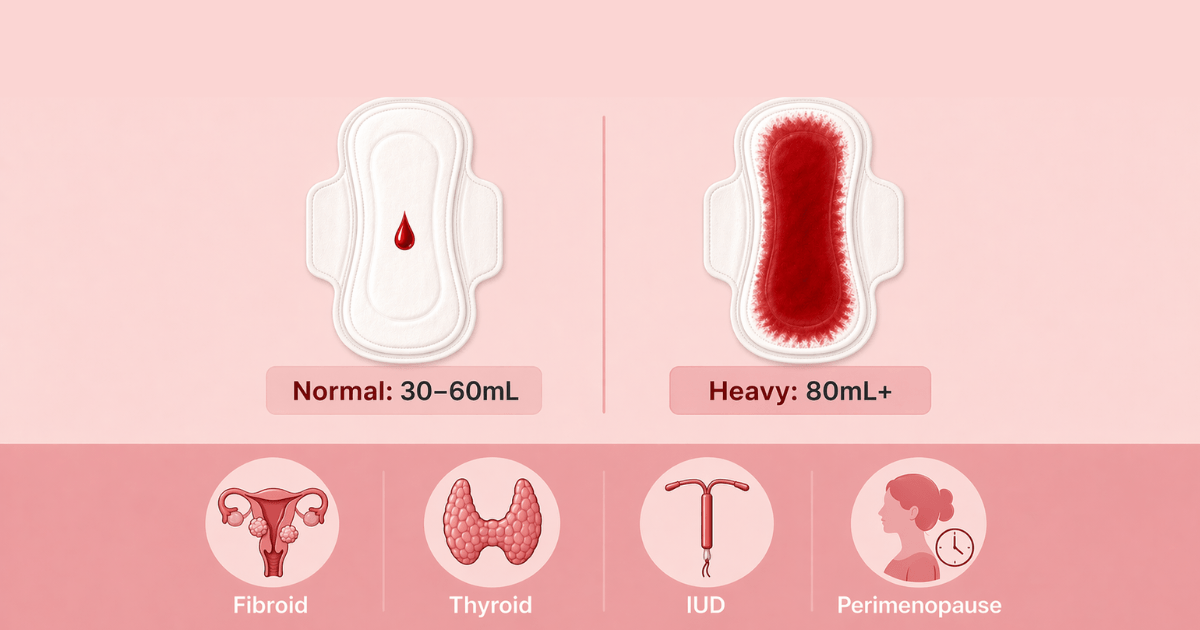
Why Is My Period So Heavy? 9 Real Causes + What Helps
Soaking through a pad every hour is not normal. Here are the 9 causes of heavy periods and what actually helps each one.
Seeing a blood clot in the toilet or on your pad can be alarming — but for most women, small clots on heavy flow days are completely normal. The question is: how big is too big, and when do clots signal something that deserves a doctor visit?
This guide cuts through the confusion with a simple size rule, explains exactly why clots form, and lists the five conditions that cause abnormally large or frequent clotting.
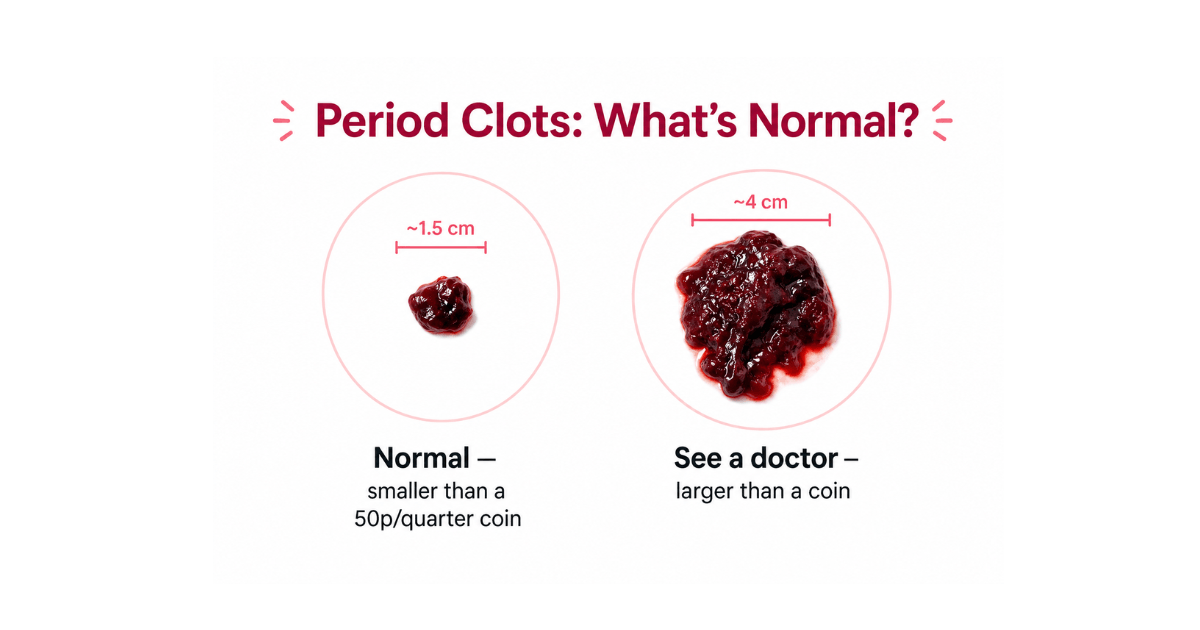
Period clots up to 2.5cm (the size of a quarter coin) are normal, especially on the first two heavy-flow days. Clots larger than a quarter, or heavy clotting on most days of your period, can indicate fibroids, adenomyosis, or a hormone imbalance — and should be investigated.
Your uterine lining sheds during your period as a mix of blood, endometrial tissue, mucus, and cervical fluid. To keep this flow moving, your body releases natural anticoagulants — mainly a protein called plasmin — that break down clots before they leave the body.
On light-to-moderate flow days, plasmin keeps pace and blood flows freely. But on your heaviest days — usually days 1 and 2 of your period — the flow outpaces the anticoagulants. Blood pools briefly in the uterus or vagina, clots slightly, and exits as a dark, jelly-like clump. This is normal physiology, not a sign that something is wrong.
The clots you see on heavy days are essentially the same as the clots you'd see if you left blood sitting in a bowl — the difference is just timing and volume.
Size is the most reliable rule of thumb. Here's a simple visual:
If you're regularly passing clots larger than a quarter — especially alongside heavier-than-usual bleeding — one of these five conditions is usually responsible.
Fibroids are non-cancerous muscle growths in or on the uterus wall. Submucosal fibroids — those that push into the uterine cavity — interfere with the uterine lining's ability to shed evenly and suppress the anticoagulants that prevent clotting. They affect up to 70% of women by age 50 and are the most common cause of large period clots. Diagnosis is via pelvic ultrasound.
In adenomyosis, the uterine lining grows into the muscle wall itself. This makes the uterus larger, the lining thicker, and periods much heavier — with significant clotting. It is common in women in their 30s and 40s and often causes deep, crampy pain alongside heavy flow. Diagnosis can be difficult; MRI is more reliable than ultrasound for this condition.
Progesterone thins the uterine lining throughout the second half of your cycle. When progesterone is low relative to estrogen — due to anovulatory cycles, PCOS, or perimenopause — the lining builds up thicker than usual. A thicker lining means more tissue to shed, which means heavier flow and more clotting. A blood test on day 21 of your cycle checks progesterone levels.
When endometrial tissue grows outside the uterus, it still responds to hormonal cycles — bleeding and inflaming each month with nowhere to go. This drives chronic inflammation in the pelvis, which can worsen uterine bleeding and cause heavier-than-normal periods with clots. Endometriosis affects around 1 in 10 women and is frequently diagnosed late — an average of 7–10 years after symptoms begin.
Conditions such as von Willebrand disease (which affects about 1% of the population) impair the blood's normal clotting cascade. Paradoxically, this can result in heavier menstrual bleeding and more visible clots, because the body cannot efficiently form and break down clots in the normal way. A haematology referral and specific clotting factor tests are needed for diagnosis — it is frequently missed in women whose primary complaint is heavy periods.
For anything less acute, book a GP or gynaecology appointment if:
At the appointment, your doctor will likely order a pelvic ultrasound to check for fibroids or adenomyosis, a full blood count to check for anaemia, and possibly a day-21 progesterone test and thyroid panel. If a bleeding disorder is suspected, you'll be referred to haematology for clotting factor tests.
Track your flow with Wamiga
Log heaviness, clots, and pain daily so you have real data to bring to your doctor — not just a guess.
Soaking through a pad every hour is not normal. Here are the 9 causes of heavy periods and what actually helps each one.
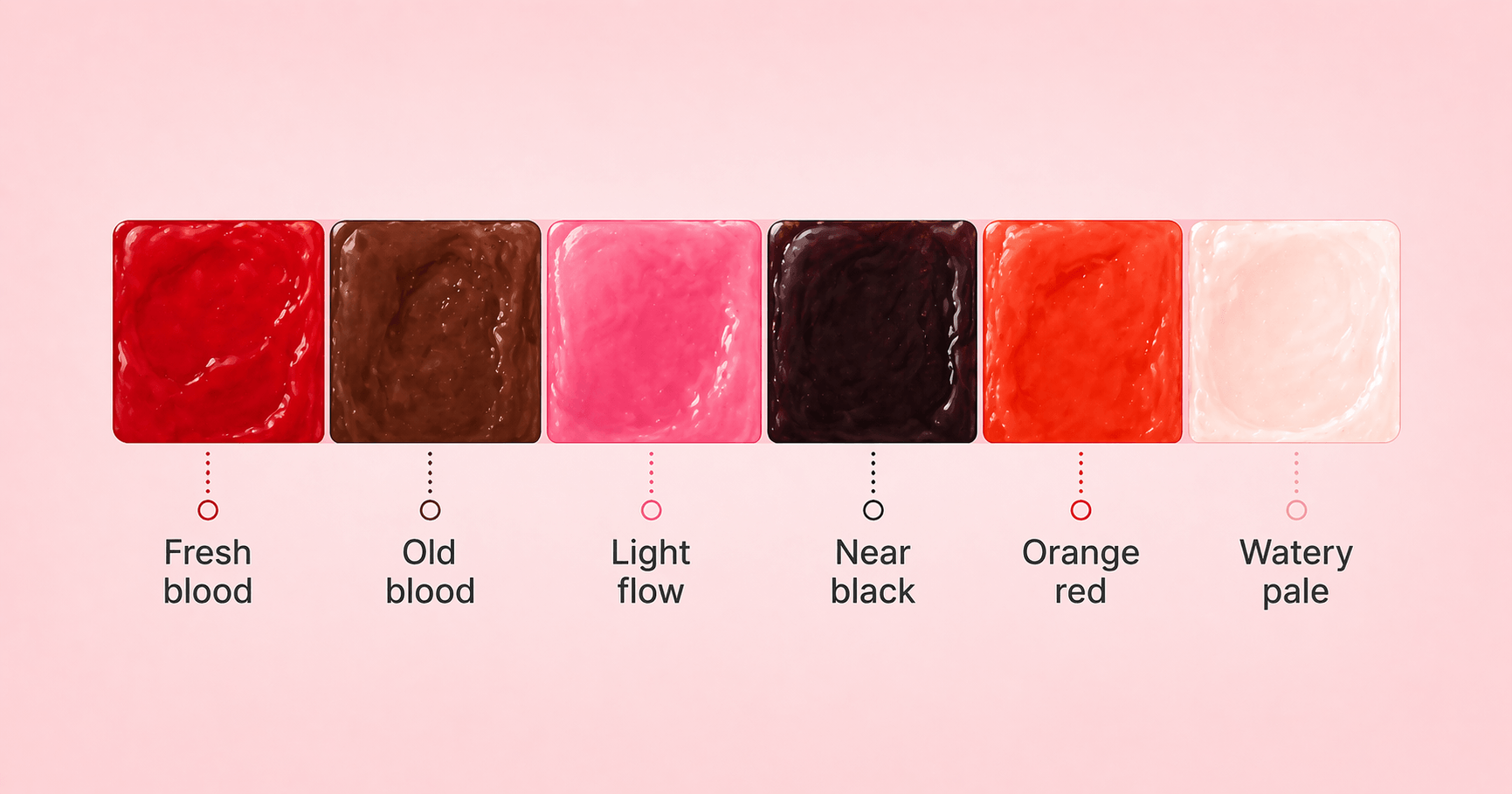
Bright red, dark brown, black, pink — every period blood colour explained with when it's normal and when to act.
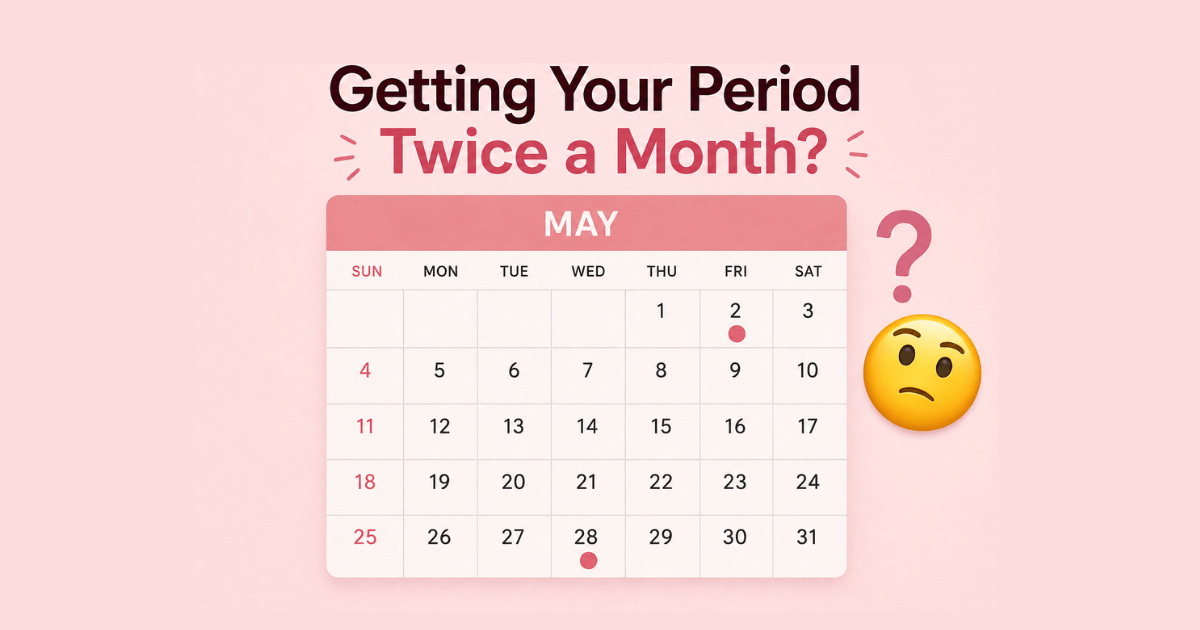
Irregular periods affect 1 in 5 women. The 7 most common causes — and a clear guide on when to act.
The guidance in this article is informed by reputable medical and public-health organizations: